The International Space Station stands as one of humanity’s greatest collaborative achievements—a massive satellite orbiting Earth that serves as both home and workplace for astronauts and cosmonauts from around the world. This remarkable structure represents the pinnacle of international cooperation in space exploration.
Table of Contents
- Introduction to the ISS
- Morning Routine in Space
- Daily Work Assignments
- Staying Strong and Healthy
- Personal Hygiene in Space
- The Importance of Exercise
- Keeping the Station Clean
Introduction to the International Space Station
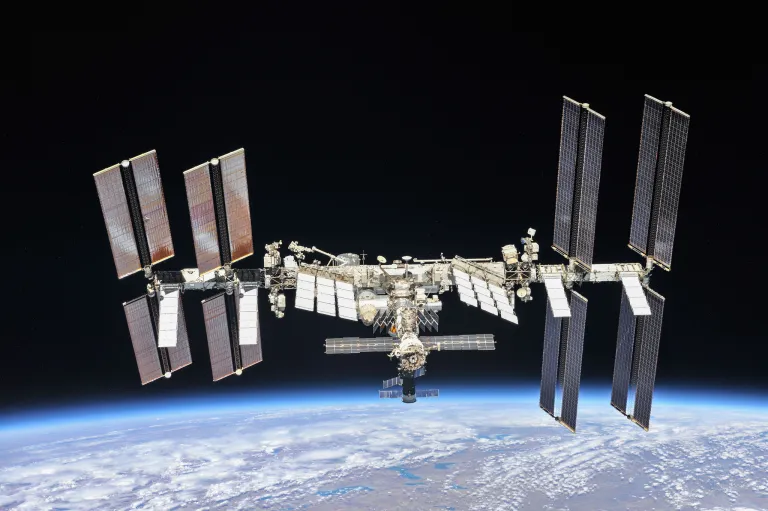
The International Space Station stands as one of humanity’s greatest collaborative achievements—a massive satellite orbiting Earth that serves as both home and workplace for astronauts and cosmonauts from around the world. This remarkable structure represents the pinnacle of international cooperation in space exploration.
| ISS Specifications | Details |
|---|---|
| Average Altitude | ~250 miles (400 km) |
| Orbital Speed | 17,500 mph (28,000 km/h) |
| Orbital Period | 90 minutes per orbit |
| Daily Orbits | ~16 orbits around Earth |
Assembled piece by piece in space by dedicated astronauts, the ISS serves as a unique laboratory where NASA and international partners conduct groundbreaking research. The lessons learned here are paving the way for humanity’s next giant leap—sending humans farther into space than ever before.
Living in space is not the same as living on Earth. Many things are completely different, and our bodies modify in ways that require careful attention and adaptation.
Morning Routine in Space
When an astronaut wakes up and rises from their sleep station, their morning routine shares similarities with our earthbound habits, but the methods are entirely different due to microgravity conditions.
The morning hygiene routine demonstrates human ingenuity in adapting everyday necessities to extraordinary environments. Without the luxury of running water or traditional bathroom facilities, astronauts have revolutionized personal care in ways that benefit both space exploration and medical care on Earth.Assembled piece by piece in space by dedicated astronauts, the ISS serves as a unique laboratory where NASA and international partners conduct groundbreaking research. The lessons learned here are paving the way for humanity’s next giant leap—sending humans farther into space than ever before.
Living in a house is not similar to living on Earth. In space, the bodies of astronauts modify. On Earth, our lower body and legs carry our weight. This helps keep our bones and muscles robust. In space, astronauts float. They try not to use their legs as much. Their lower backs begin to lose strength. Their leg muscles do too. The bones begin to urge weak and skinny. This is often terribly dangerous for astronauts’ bodies. They have to exercise at home every day. The heart and blood modify in house, too. Once we get up on Earth, blood goes to our legs. Their heart works further hard against gravity to manoeuvre the blood all-round the body. In space, without the pull of gravity, the blood moves to the higher body and head. Water within the body additionally does the similar thing. It makes the astronauts’ faces look puffy. The blood and water are fluids within the body. These fluids move from the lowest of the body to the highest. The brain thinks that there are several other fluids. It will tell the body to create less. Once the astronauts return to Earth, they do not have enough fluids in their systems. It takes their bodies some days to create a lot of blood and water. The astronauts got to rest so that their bodies have time to create new blood and water. If they do not, they will feel terribly weak. They may even faint!